
01 · Need
We start from what you want to solve.
Dynamic orthoses to improve movement control, posture and muscle tone.
Control without losing the functional objective.
The orthosis makes sense when it accompanies an activity and does not just correct a position.
How it helps
We break it down into three ideas: what it addresses, how it fits into the routine and how to make a sound decision.
Dynamic orthoses to improve movement control, posture and muscle tone.
They seek to improve control over movements by offering adequate sensory feedback.
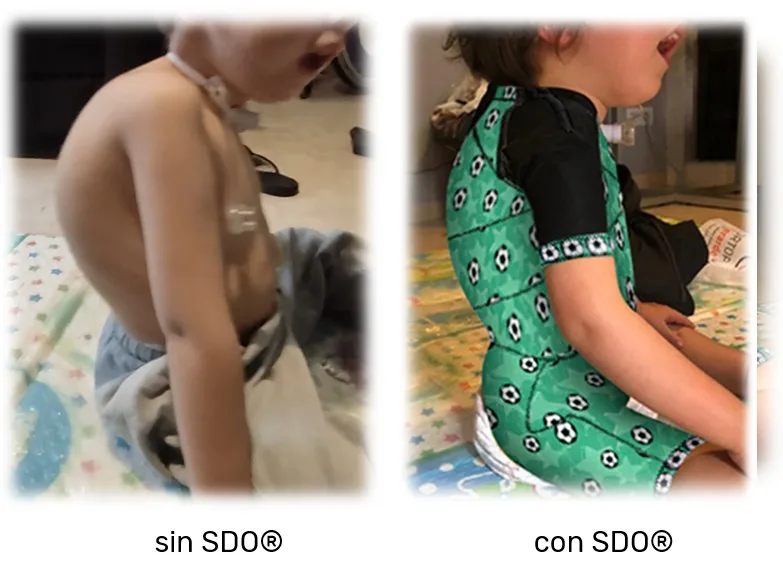
They promote postural control and musculoskeletal alignment.
Videos
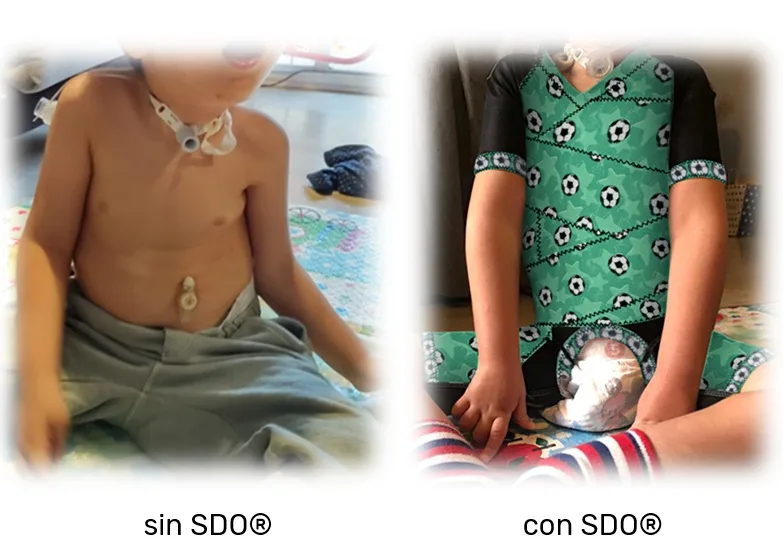
Now playingCon y sin la ortesis dinámica
In pictures
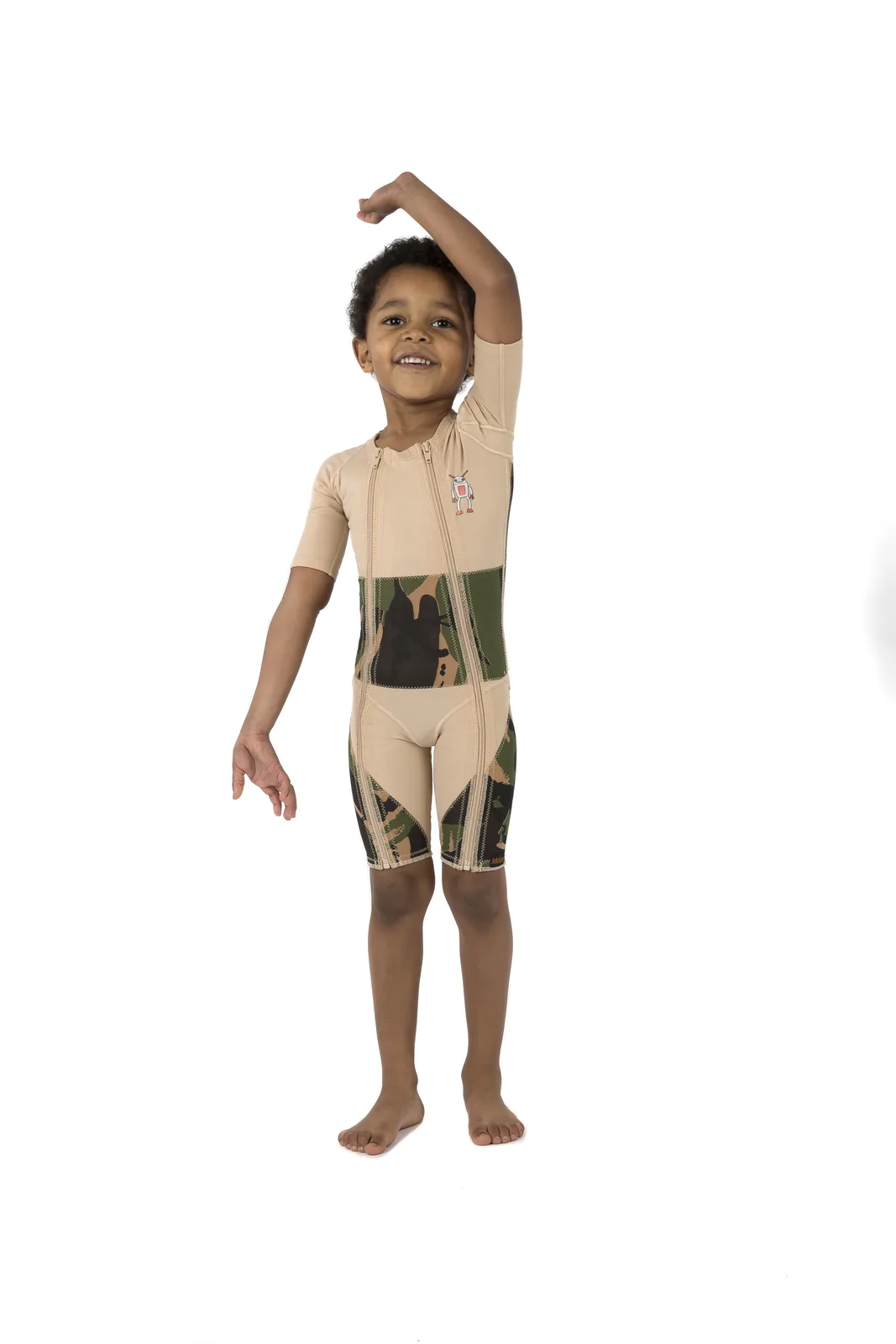
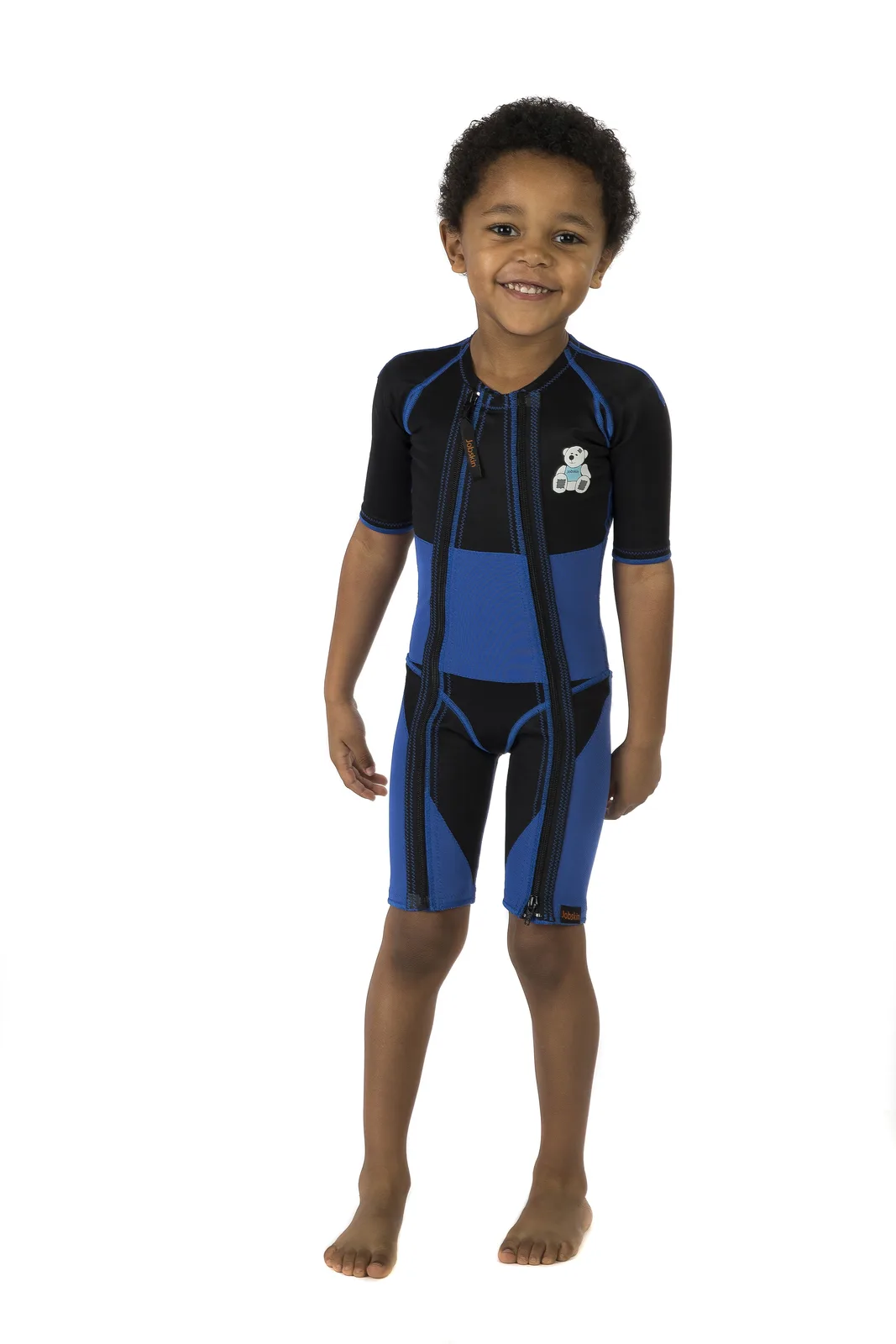
How to use
We support you at every step so that Textile orthoses (SDO® · Neurexa) can be integrated safely into the routine.
We look at head and trunk control, hips, feet and tolerance to use.
We configure support, angles and accessories for the target posture.
We introduce the equipment into the routine with a measurable progression.
We readjust as the body changes and new goals appear.
Benefits
What changes day to day when the equipment fits.
They seek to improve control over movements by offering adequate sensory feedback.
They promote postural control and musculoskeletal alignment.
They help regulate muscle tone through dynamic compression.
SDO® does not immobilize or restrict: it acts as a continuous sensory stimulus that helps the nervous system to reorganize postural control.
The SDO® is worn during daily activities, following a progressive use protocol.
Specific sensory garments: vest, glove (upper extremities) and sock (lower extremities).
Neurexa range for shoulder (Omo Neurexa Plus), hand (Manu Neurexa Plus), knee (Genu Neurexa) and ankle (Malleo Neurexa Pro).
Includes an assessment vest to assess the effects of increased sensory feedback.
It is proposed as a complement to neurophysiotherapy, not as a substitute.
The choice of model, adjustment and use protocol require an individualized assessment.
Next step
We help you confirm goals, day-to-day use and conditions before you decide.
Who for
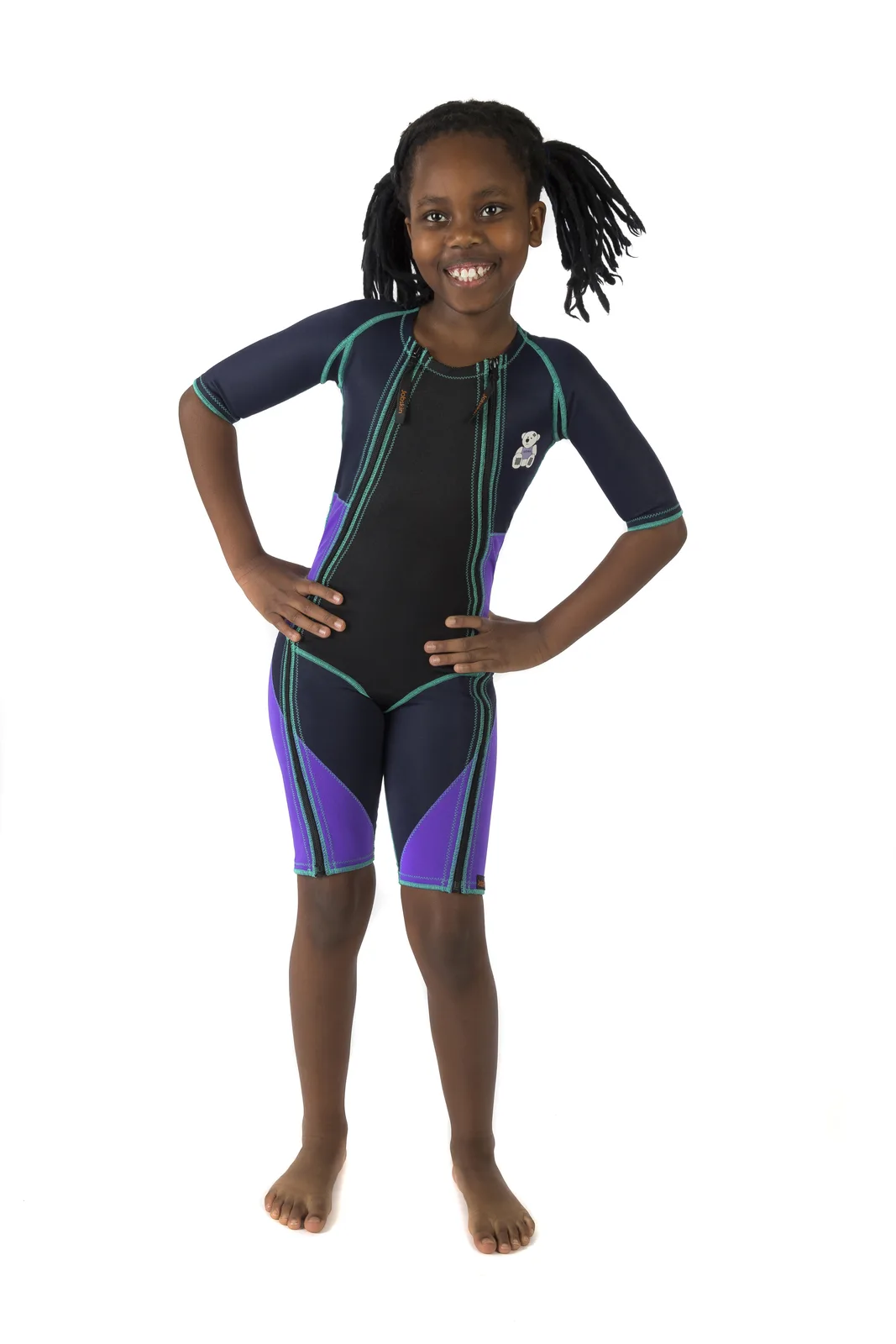
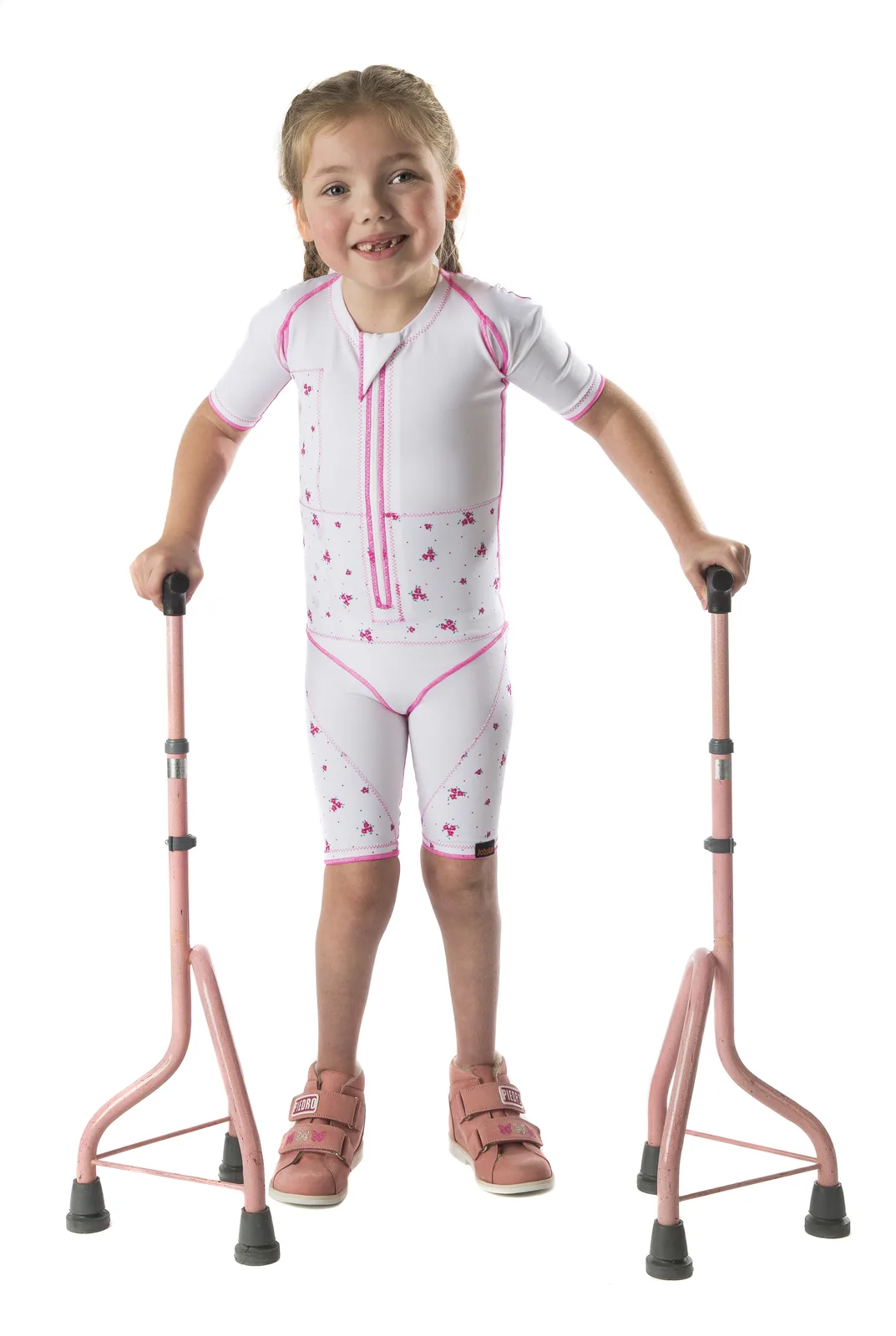
The SDO® is a textile orthosis that adjusts to the needs of each user to support postural control, trunk alignment and functional participation in daily life.
The Neurexa range is designed to support movement and posture after a stroke or injury to the central or peripheral nervous system. At Pitxuflitos we accompany the entire process: indication, adjustment, protocol of use and monitoring.
How do you get it
Textile orthoses are made to order and are not available for rent.
First we understand the case; then we make a proposal, with no overselling.
Textile orthoses are custom made and are not available for rent.
We remain available during adjustment and use to answer questions and review progress.
RecommendedDecision
We explain what Textile orthoses (SDO® · Neurexa) offers, what should be reviewed first and what the next step would be if moving forward makes sense.
Technical sheet
Proven technology, explained with professional judgement and genuine support before and after you decide.
Since 2006
supporting families
Families and professionals
working together
Clear conditions
before deciding
Before and after
follow-up, not just a sale
Leading manufacturers
Common questions
Clear answers to help you understand the service before deciding on the next step.
Still have questions? Write to usSDO® textile orthoses can be adapted to each part of the body and each therapeutic objective. There are models for the trunk and spine, as well as for the upper extremity and/or lower extremity and orthotic trousers. The reinforcement panels are selected according to the needs of each case in order to activate some muscle groups and inhibit others. All garments are made completely custom.
The SDO (Sensory Dynamic Orthosis) are a class 1 medical product, personalised and adapted to the measurements of each person in high-quality lycra. They offer constant therapeutic compression that seeks to increase proprioceptive and sensory feedback, and have reinforcement panels that promote musculoskeletal alignment and improve the quality of movements.
No. This is one of the key differences between SDO textile orthoses and conventional rigid orthoses. SDO® does not immobilize or replace muscle function, but rather acts as a continuous proprioceptive and sensory stimulus that activates the user's own muscles. It is the body that corrects posture, the orthosis simply gives it the information it needs to do so. In fact, one of the documented benefits of using SDO is precisely the increase in spontaneous activity of the trunk and extremities, which indicates that the muscles are activated more, not less.
They seek to improve control over movements, promote postural control and contribute to regulating muscle tone. Furthermore, when they are well indicated, they can facilitate breathing, speaking, swallowing and digestion, as well as reduce the caregiver's effort during transfers.
The daytime SDO® is designed to activate and regulate musculature, improve alignment and increase functional participation. The nocturnal SDO®, on the other hand, does not seek to activate the muscles but rather to maintain correct alignment of the spine and hips during rest. It is especially indicated when there is a burst deformity, as it helps slow the progression of the deformity and improves sleep quality by reducing compensatory postures that generate discomfort during the night. In many cases, both are used in a complementary way.
The Neurexa range offers orthoses for the shoulder (Omo Neurexa Plus), hand (Manu Neurexa Plus), knee (Genu Neurexa) and ankle (Malleo Neurexa Pro), aiming to support posture, control and function.
Ask here
Prefer to email us directly? info@pitxuflitos.com
Keep exploring
Once you know what you need, compare the other options in positioning.