
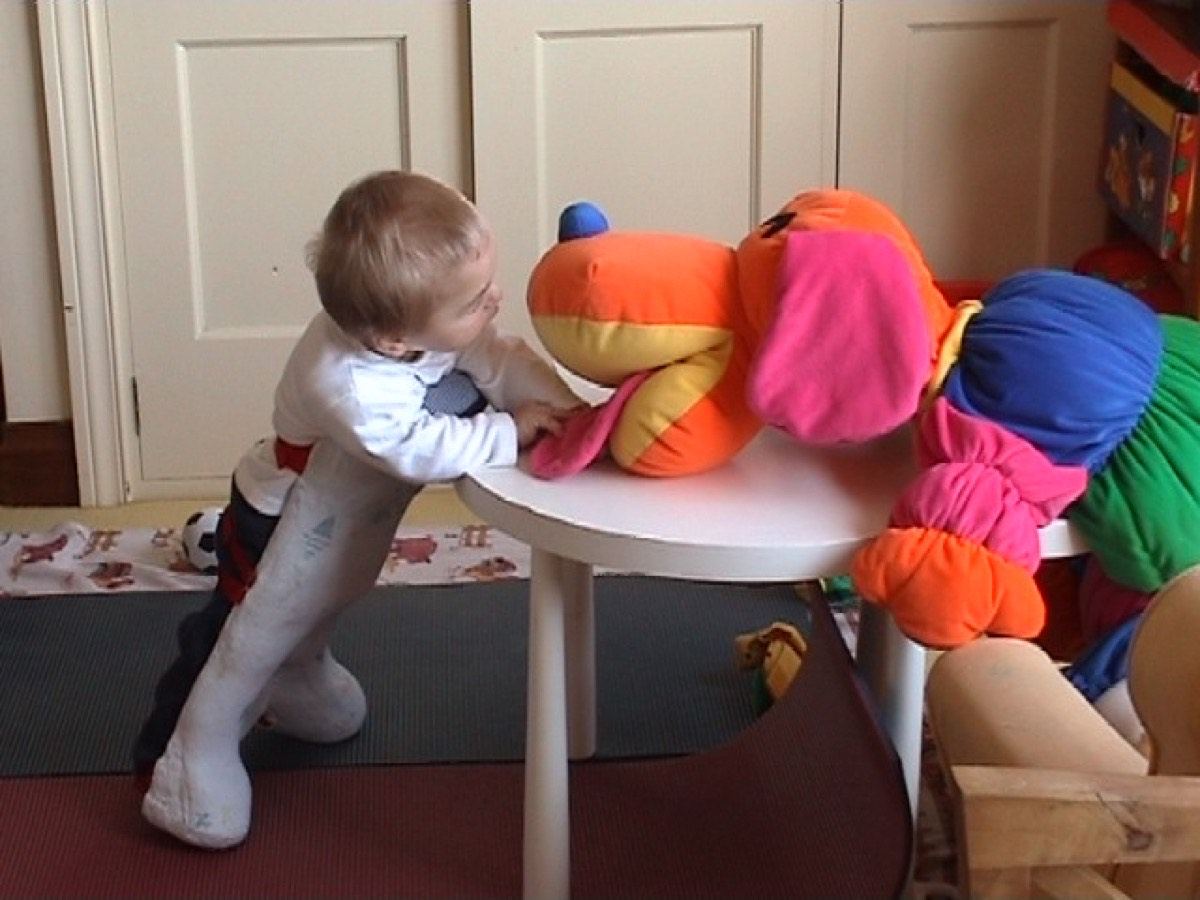
What is standing positioning?
Standing positioning consists of keeping the body upright, loaded on the legs, in a controlled and well-aligned manner for a certain time. When a person cannot stand alone, or cannot safely hold that position, supportive devices are used to allow the person to stand with the necessary stability and comfort.
Maintaining the body against gravity and acquiring an upright position are two fundamental principles of growth. Standing is not always an easy task, especially for those with reduced strength or limited muscle control. The objective of positioning is precisely that: that the person can benefit from verticality even if their body does not support it by itself.
It is not a specific exercise, but a scheduled programme. We work within a therapeutic plan, with times and positions that are adjusted to each person and their objectives.
Why it matters: the physical benefits
Standing loaded is not just a different posture; it activates body functions that are limited when sitting or lying down. The upright position helps to promote the respiratory system, facilitates digestion and contributes to postural drainage and bladder function.
At the musculoskeletal level, regular standing helps strengthen the antigravity muscles, increases bone mineral density and prevents joint retractions. It also promotes head and trunk control, that is, the ability to hold the head and body in a more stable way.
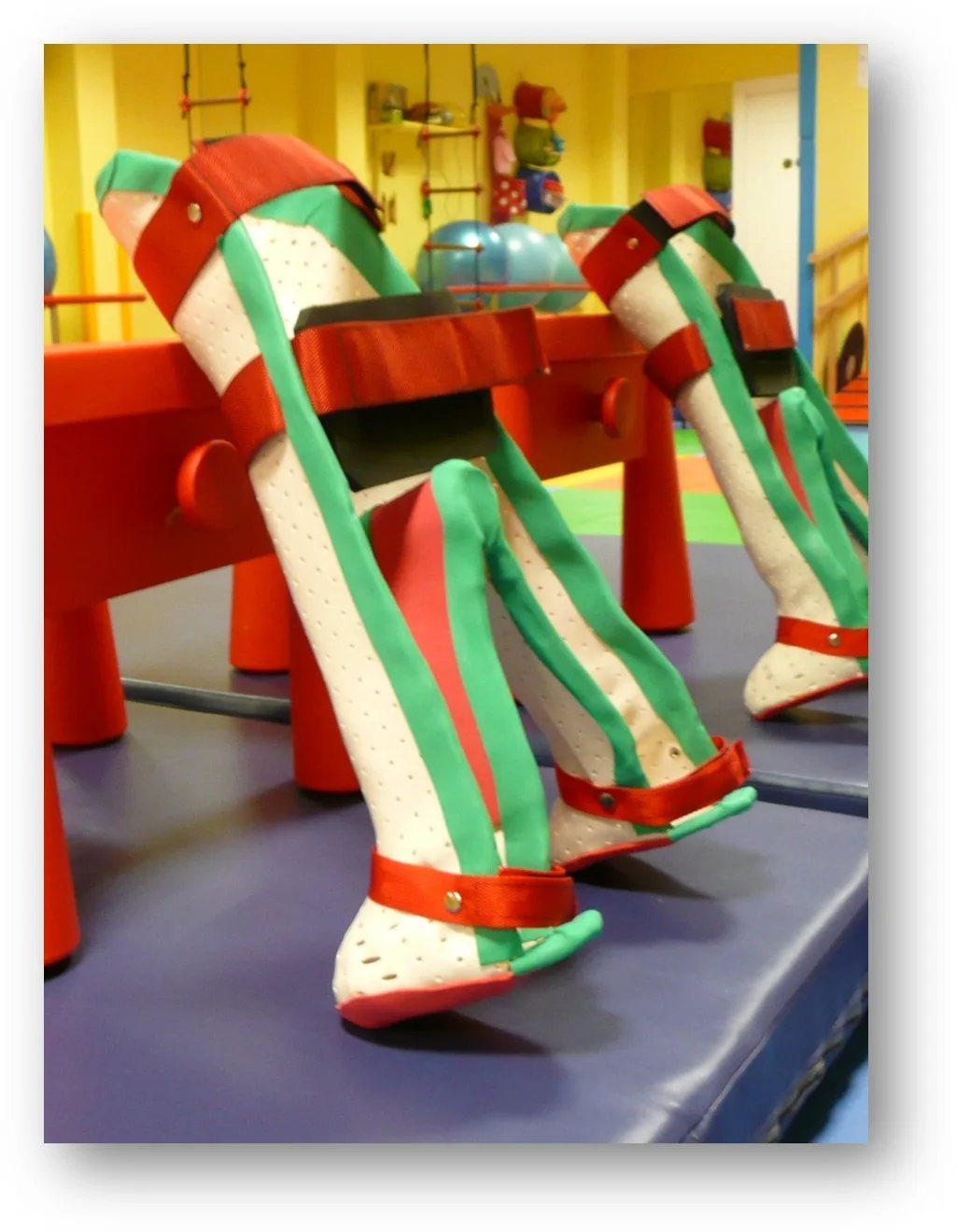
An important detail in the case of children is the position of the hips. Standing with the hips in abduction (legs separated at a controlled angle) favours the correct formation of the hip joint and helps prevent dislocations, something that is especially taken care of in devices designed for paediatric age.
The other great benefit: participating and relating
Standing up changes perspective, literally. Being at the same height as your colleagues facilitates communication, stimulates attention and favours quick reaction. Participation stops being passive and becomes active.
Added to this is a completely new field of vision, access to spaces that were previously far away and the development of attention and alertness. These experiences enrich daily life and open up dynamics that do not appear when sitting or lying down.
The emotional component counts as much as the physical one. Acquiring new skills and gaining autonomy increases self-esteem and contributes to well-being, both physical and mental. Therefore, in many cases, standing positioning is valued not only for what it contributes to the body, but also for what it contributes to the relationship with the environment.
What equipment do you work with?
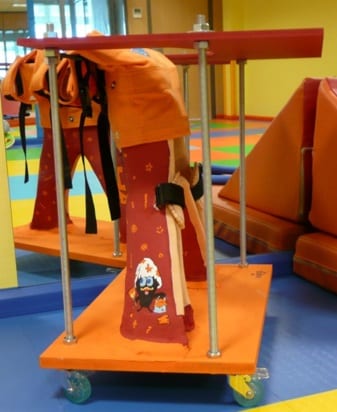
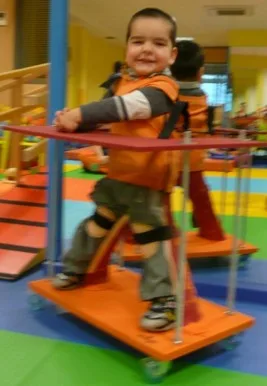
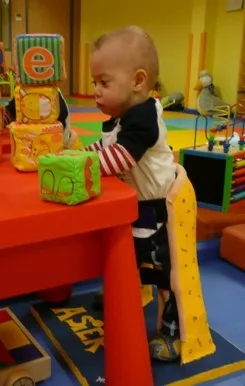
The most common equipment is the standing frame. There are models that allow you to reach the upright position from prone (support in front, looking forward) or from supine (support from behind), with numerous intermediate inclination positions. Alternating phases of activity and rest allows the time of use to be progressively increased as the person tolerates it.
There are standing frames designed above all to maintain a stable and well-aligned verticality, with adjustable supports on the chest, hips, knees and feet to achieve a personalised posture. And there are others that, in addition to standing, allow self-propulsion: the user can move, which adds locomotor work to the upper extremities and favours cognitive and visuospatial functions. That step towards movement is also a step towards independence.
For more complex walking needs there is the NF Walker, a gait trainer that combines postural support and mobility. The choice between one device or another always depends on each person's therapeutic goals.

The key is to personalise
No body is the same as another, and good positioning depends on fine tuning. Quality devices allow you to adjust height, inclination, width and opening of the hips, knee supports and footrests in multiple planes. The goal is for the person to be comfortable, because only then will they be able to maintain a well-aligned and weight-bearing position for long enough to benefit from it.
Accessories such as therapeutic tables or trays expand the possibilities: they facilitate the support of the forearms, promote head control and allow manual activities, playing or incorporating an augmentative communication system. Standing thus ceases to be an isolated posture and is integrated into daily activity.
If you are considering a standing programme for a family member or for yourself, a professional assessment that defines objectives and chooses the appropriate equipment is recommended. We will be happy to advise you and show you the available options.
We'll let you know when the next guide is out.
Occasional updates and guides for families. Unsubscribe whenever you like.
Would you like us to review it with you?
We guide you on the best option for your case, without obligation.