
01 · Need
We start from what you want to solve.
Stable sitting for better participation.
Sit better so you can do more.
Proper support helps you engage, rest, and manipulate objects with less effort.
How it helps
We break it down into three ideas: what it addresses, how it fits into the routine and how to make a sound decision.
Stable sitting for better participation.
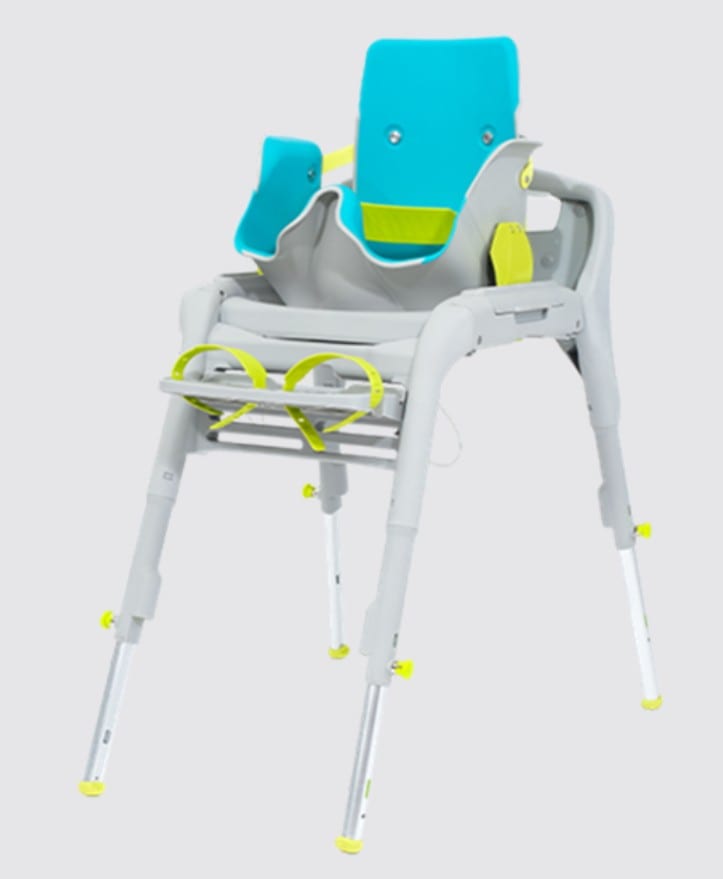
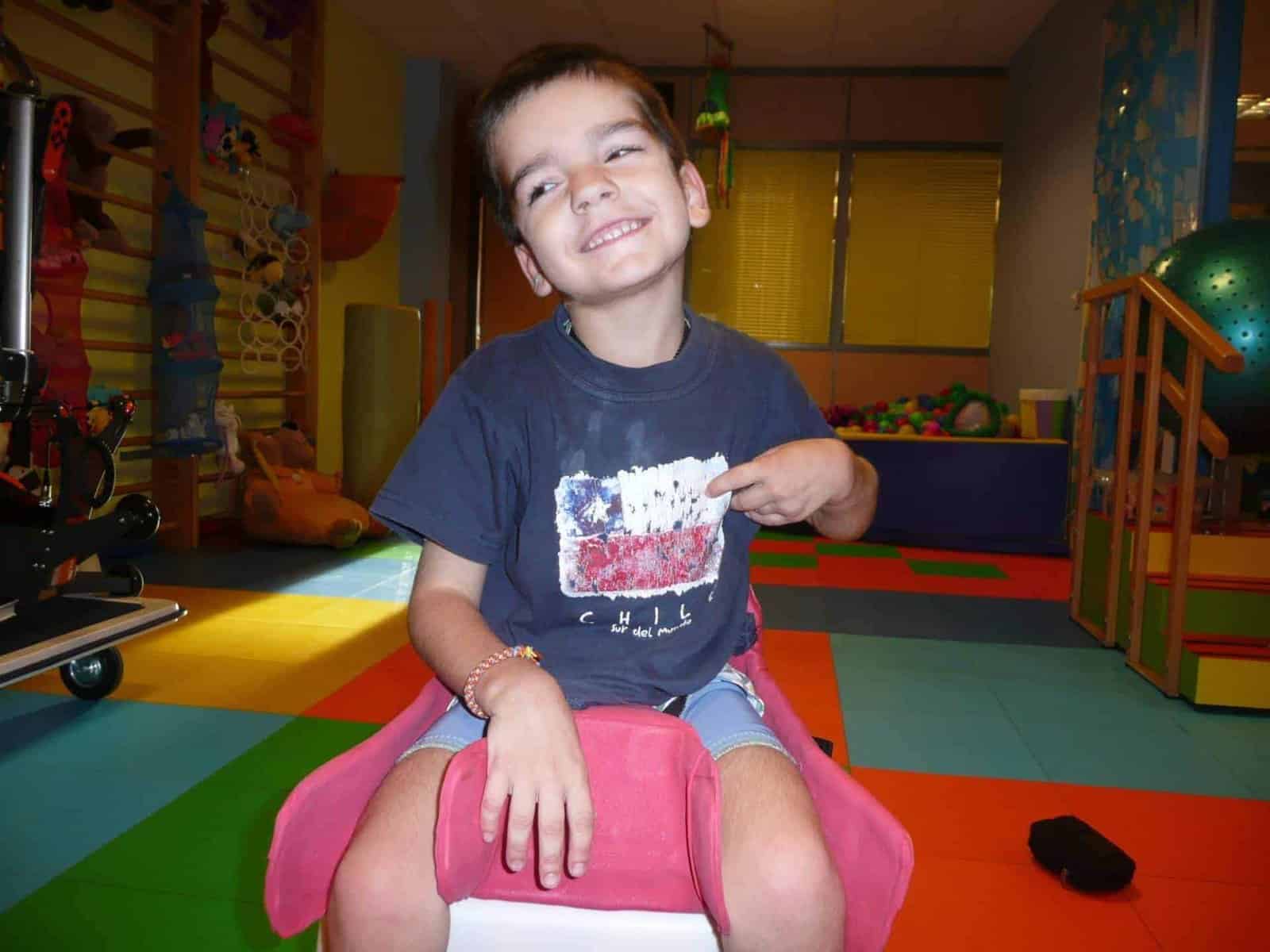
Pelvic seats provide the child with adequate postural control and a secure base of support.
They allow you to free your hands to manipulate objects while keeping your trunk aligned against gravity.
In pictures
How to use
We support you at every step so that Chairs and postural seats can be integrated safely into the routine.
We look at head and trunk control, hips, feet and tolerance to use.
We configure support, angles and accessories for the target posture.
We introduce the equipment into the routine with a measurable progression.
We readjust as the body changes and new goals appear.
Benefits
What changes day to day when the equipment fits.
Pelvic seats provide the child with adequate postural control and a secure base of support.
They allow you to free your hands to manipulate objects while keeping your trunk aligned against gravity.
They help raise the head to better explore the environment.
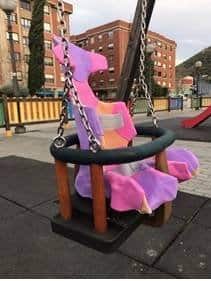
These seats are custom made and allow correcting postural alterations when sitting.
They can fit the stroller, high chair, car seat, swing or jantoki bench.
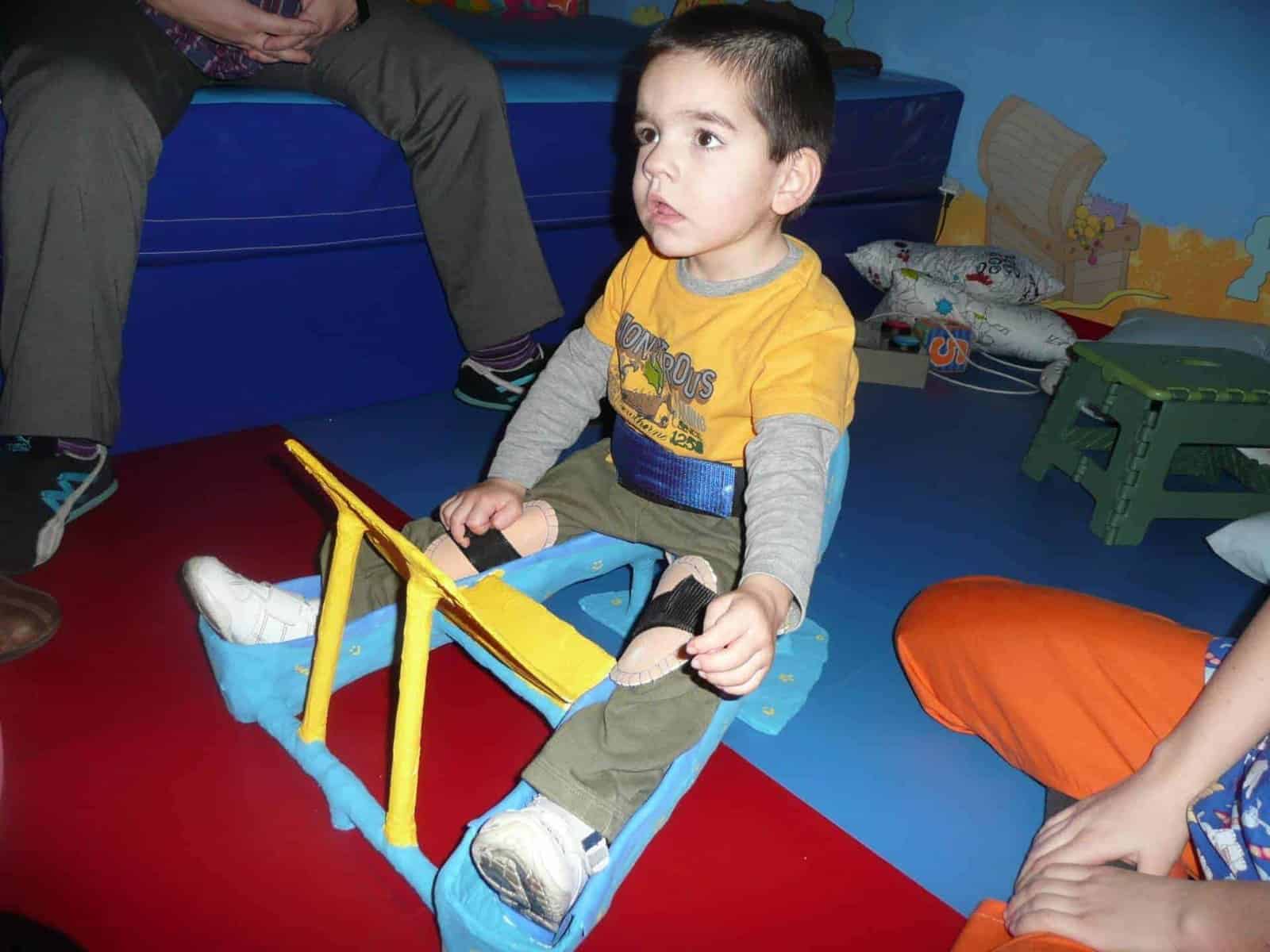
Sled-type floor seats offer safe support for children with shortened or hypertoned hamstrings.
We advise on the best option in strollers and indoor chairs currently available on the market.
Next step
We help you confirm goals, day-to-day use and conditions before you decide.
Who for
Pelvic seats are designed for children with altered postural tone who need a stable base to sit, look, manipulate and participate without spending all their energy holding themselves up.
In addition to manufacturing seats, we provide guidance on the best option for a stroller, indoor chair, manual chair or motorised chair depending on capabilities, environment, energy expenditure and participation objectives.
GottaGo is an innovative portable toilet seat that makes toilet time easier for children with additional needs. It is a lightweight seat that creates a unique deep squat posture for going to the toilet more easily, healthily and efficiently, wherever you are. It packs into an easy-to-carry backpack, ideal for nappy changes, and it is simple to set up, which relieves stress for families on the move. GottaGo gives children an optimal, consistent squat posture, which reduces the need for nappies and makes toilet time a success. For bathroom use only. GottaGo must not be used in the shower.
How do you get it
We clarify whether purchase, rental, a trial or a rent-to-buy option is appropriate for the equipment and the individual case.
First we understand the case; then we make a proposal, with no overselling.
We give you clear purchase or rental conditions depending on the solution.
We review trial, rental and rent-to-buy options before you make a final decision.
RecommendedDecision
We explain what Chairs and postural seats offers, what should be reviewed first and what the next step would be if moving forward makes sense.
Technical sheet
Proven technology, explained with professional judgement and genuine support before and after you decide.
Since 2006
supporting families
Families and professionals
working together
Clear conditions
before deciding
Before and after
follow-up, not just a sale
Leading manufacturers
Common questions
Clear answers to help you understand the service before deciding on the next step.
Still have questions? Write to usNo. The ability to develop walking depends on the diagnosis, the neurological and motor potential of each child, and the therapeutic work that is done; not about whether or not he uses a wheelchair. On the contrary, a well-appointed chair allows you to explore the environment, participate with peers, and conserve energy for therapy. The important thing is to combine appropriate technical aids with a therapeutic programme aimed at real objectives.
The motorised chair makes sense when the person has the cognitive capacity to handle it safely. In children it can be assessed from 18-24 months in some cases, although the most common is between 3 and 5 years. It is indicated when manual propulsion involves too much energy expenditure or when the function of the upper limbs prevents self-propelling of a manual chair.
The motorised chair provides more autonomy, less energy expenditure, a positive impact on participation and less physical burden for the family on long trips. In return, it usually has more weight and volume, higher cost, greater maintenance complexity and requires a period of learning and adaptation.
Prefer to email us directly? info@pitxuflitos.com
Keep exploring
Once you know what you need, compare the other options in positioning.