
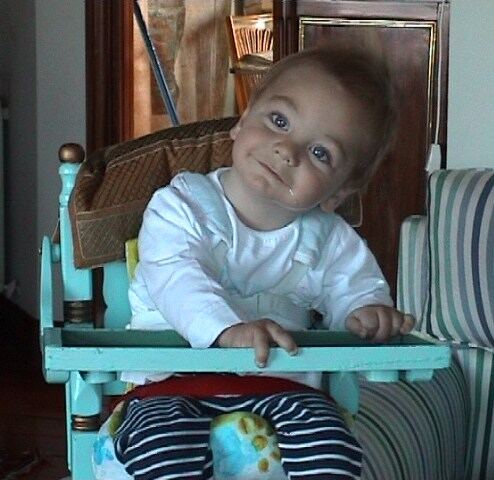
Why it matters how we sit
Sitting, that is, the sitting position, is one of the basic anatomical positions of the body. Sitting autonomously is a fundamental ability for human health and well-being, and not just a matter of comfort.
Many people with reduced mobility spend long periods sitting, often in a wheelchair. That is why it is essential that the posture allows them to carry out their daily activities normally and move comfortably in their environment. A good sitting position seeks precisely that: to maximise the functional and cognitive capacity of each person.
What is good sitting posture
Sitting well has a lot to do with the foundation on which the body rests. When the pelvis and hips are well aligned, the spine can support itself against gravity without having to compensate with tiring and deforming efforts.
A careful posture frees resources. If the body does not need to rely on its arms to avoid falling, the hands are free to manipulate objects, and the head can be raised to better explore the environment. In practice, a good sitting position benefits both the body, attention and play.
This doesn't mean sitting all day. It is equally important to alternate positions: spend time on the floor and also in assisted standing, according to the needs of each person.
Pelvis and trunk support
Postural control begins with the pelvis. When there is an altered postural tone, it is advisable to offer a secure base of support that keeps the hips centered and stable. On that basis, the spine stays aligned with much less effort.
Above the pelvis comes the support of the trunk. Lateral supports and thoracic supports help keep the body upright without the need to continually tense the muscles. The idea is not to immobilize, but to provide just the necessary support so that the person can move what they do control and rest the rest.
Types of positioning tools
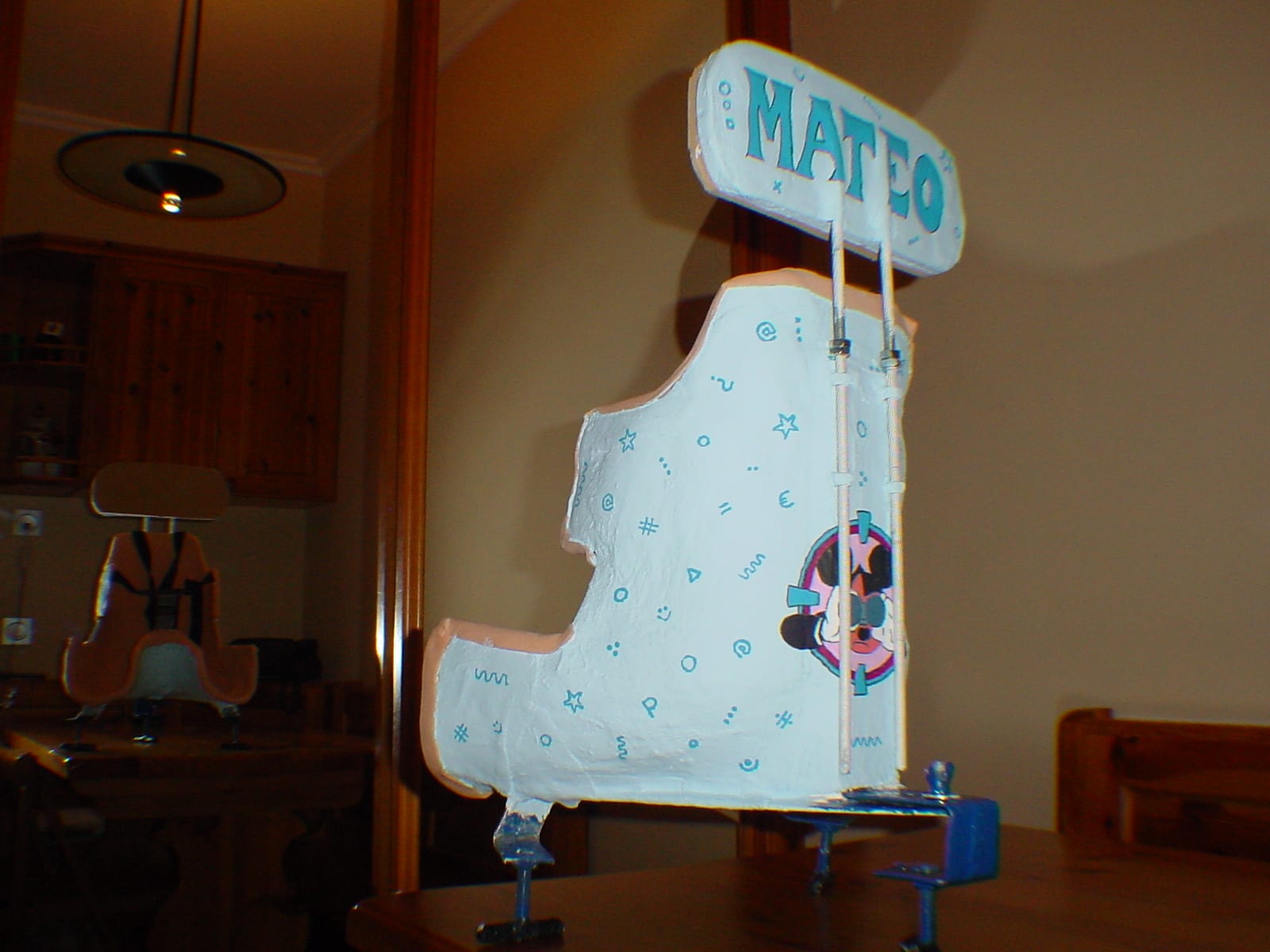
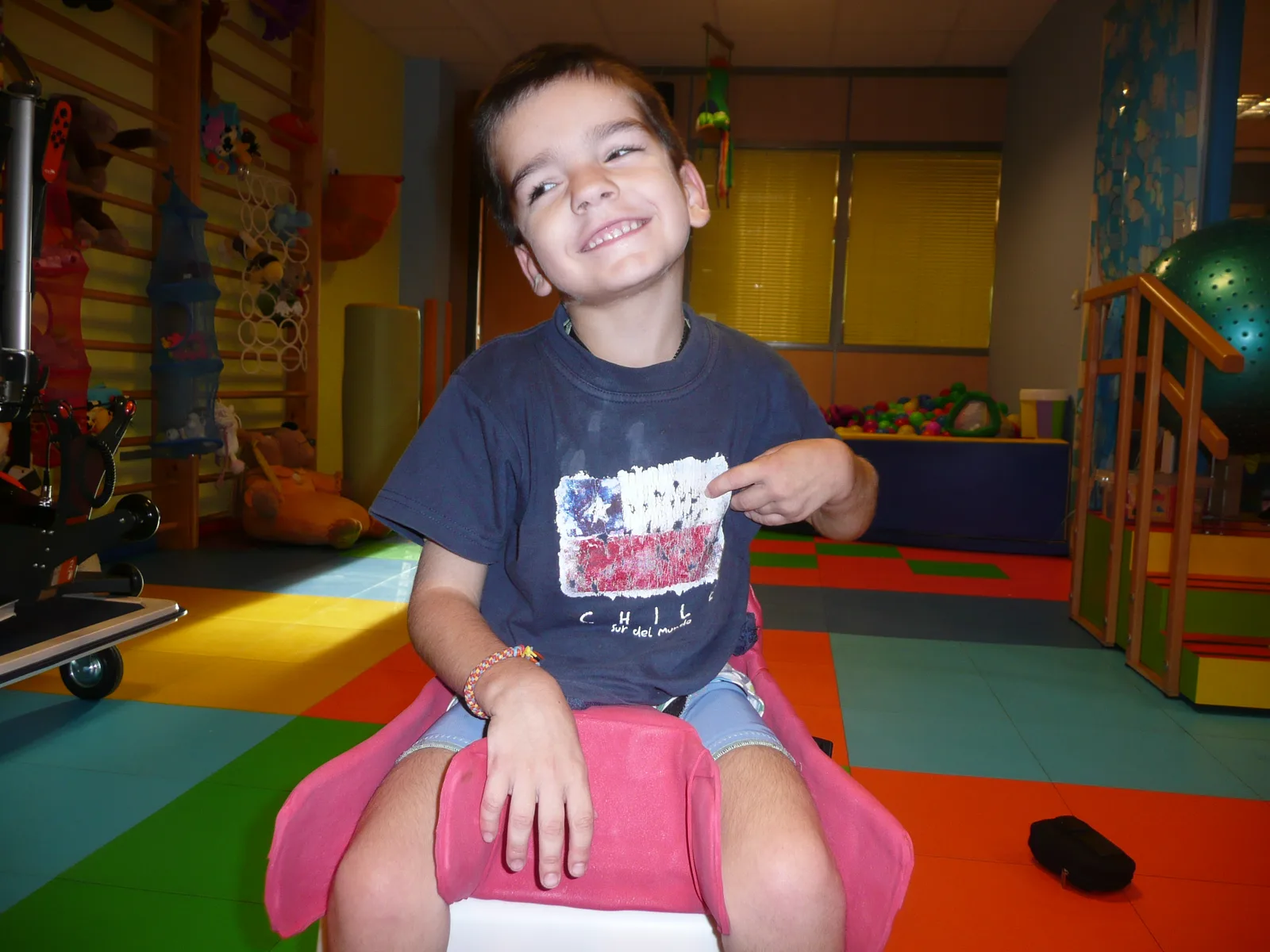
There is no single solution: the right tool depends on each person's needs. Pelvic seats are designed for children with altered postural tone. They facilitate adequate postural control and provide a secure base of support, so that the child no longer needs to lean on his arms and can free his hands by keeping his trunk aligned and raising his head.
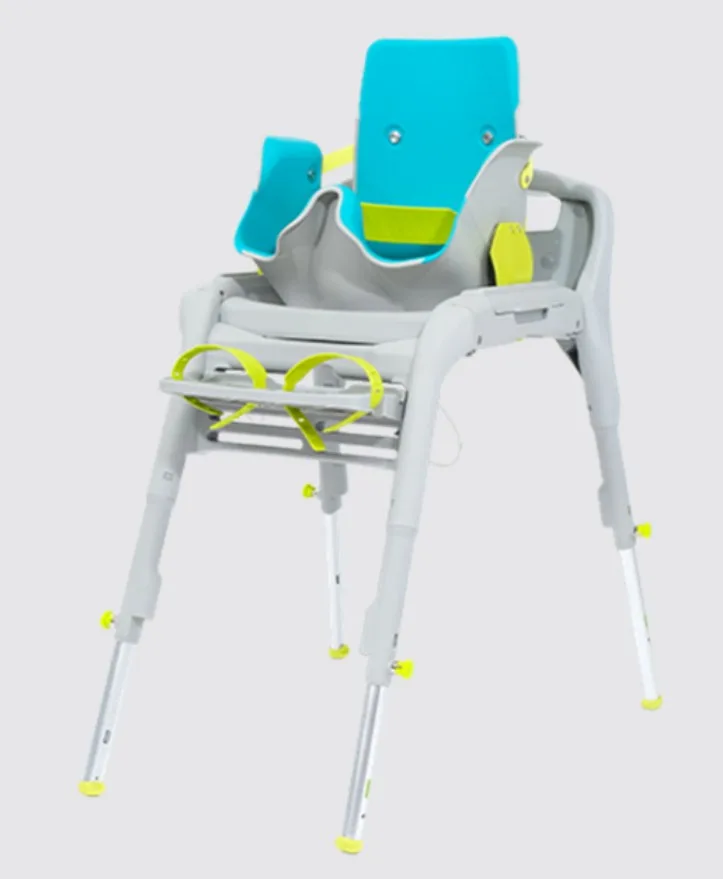
These molded seats are made to measure, in a rigid or semi-rigid material covered on the inside with anti-decubitus material, with different fastening systems and lateral supports. They can be placed in the stroller, in a chair at home or even in the swings, so that the time sitting is spent with the spine and hips well aligned.
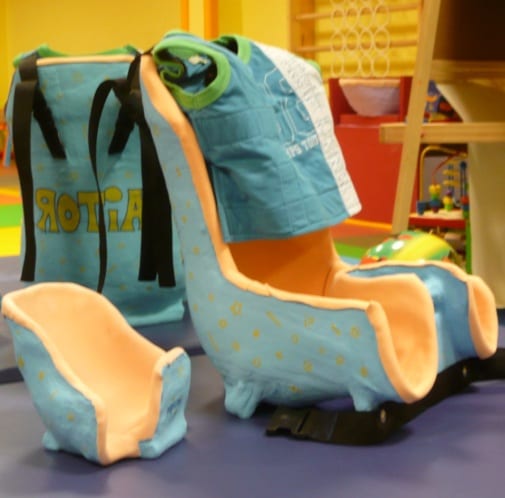
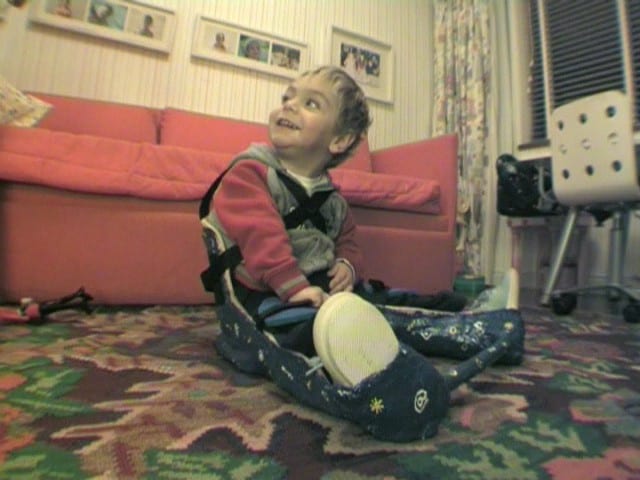
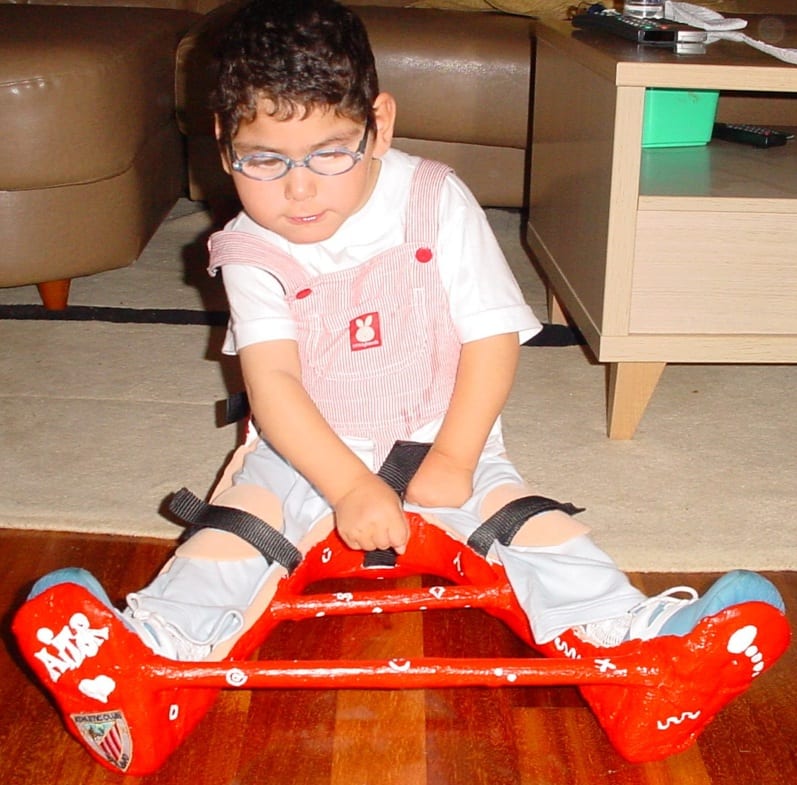
Floor seats, known as "sleds," solve a specific problem. Children with shortened or hypertoned hamstrings tend to roll backwards when bending their knees, so they cannot be left alone with a conventional postural seat. The floor seat is a postural bed with slightly opened leg extensions, a support bar that provides stability and a rear anti-roll support. Its straps at knee height keep the legs extended, which promotes passive stretching of the hamstrings.
Sit to move and grow
Good positioning not only sustains: it also opens doors. When posture is stable, the possibility of autonomy appears, especially in childhood, where early mobility is directly linked to cognitive development and self-confidence.
That is why many solutions combine support and movement. Some ultralight active chairs, for example, incorporate accessories such as pelvic straps to improve postural control during use, so that the person can hold themselves well and, at the same time, move and explore on their own.
Every case is different and deserves a considered assessment. If you are unsure which type of seat or chair could help in your situation, the best step is to tell us about your case and get personalised advice.
We'll let you know when the next guide is out.
Occasional updates and guides for families. Unsubscribe whenever you like.
Would you like us to review it with you?
We guide you on the best option for your case, without obligation.