
01 · Need
We start from what you want to solve.
Alignment and weight-bearing.
Standing makes sense when it enters the routine.
We look for loading, alignment and participation without losing comfort or security.
Tell us who it is for: we assess posture and measurements and send you a quote, at no obligation.
How it helps
We break it down into three ideas: what it addresses, how it fits into the routine and how to make a sound decision.
Alignment and weight-bearing.
Loading the skeleton brings real benefits when it is practised regularly and in the correct posture.
A well-adjusted standing frame ensures proper alignment of the hips and spine, distributes weight safely, and allows for a progressive increase in standing time.
In pictures
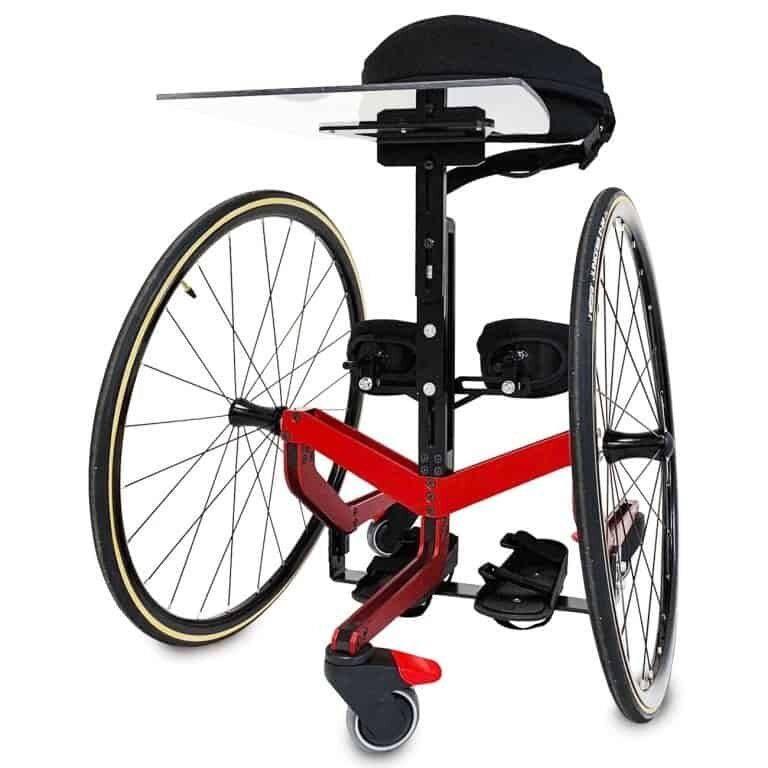
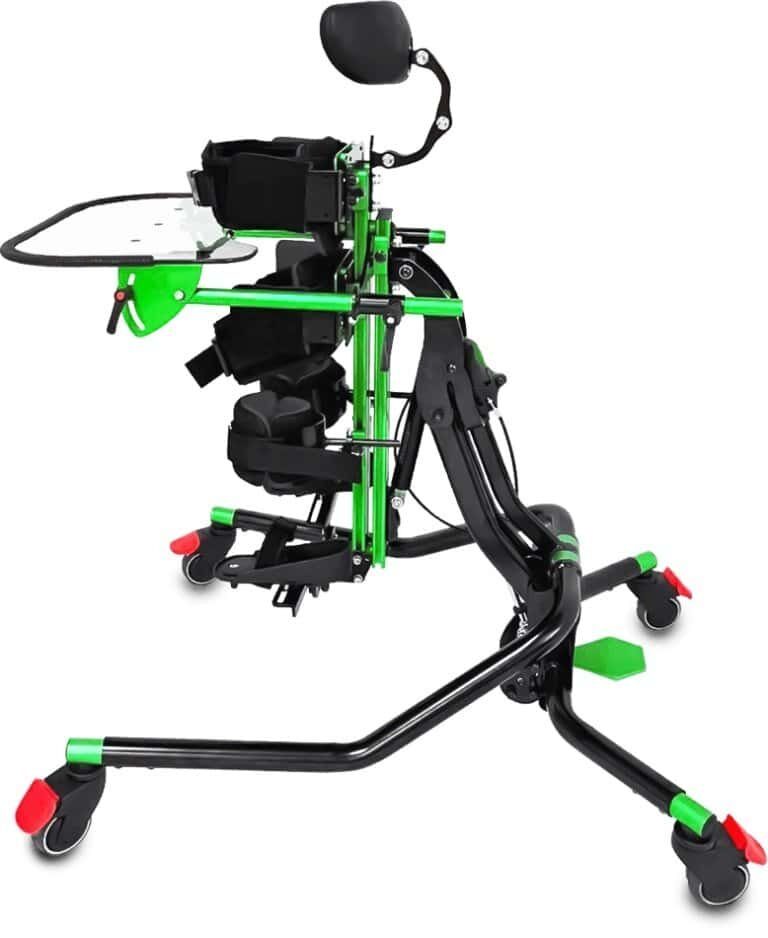
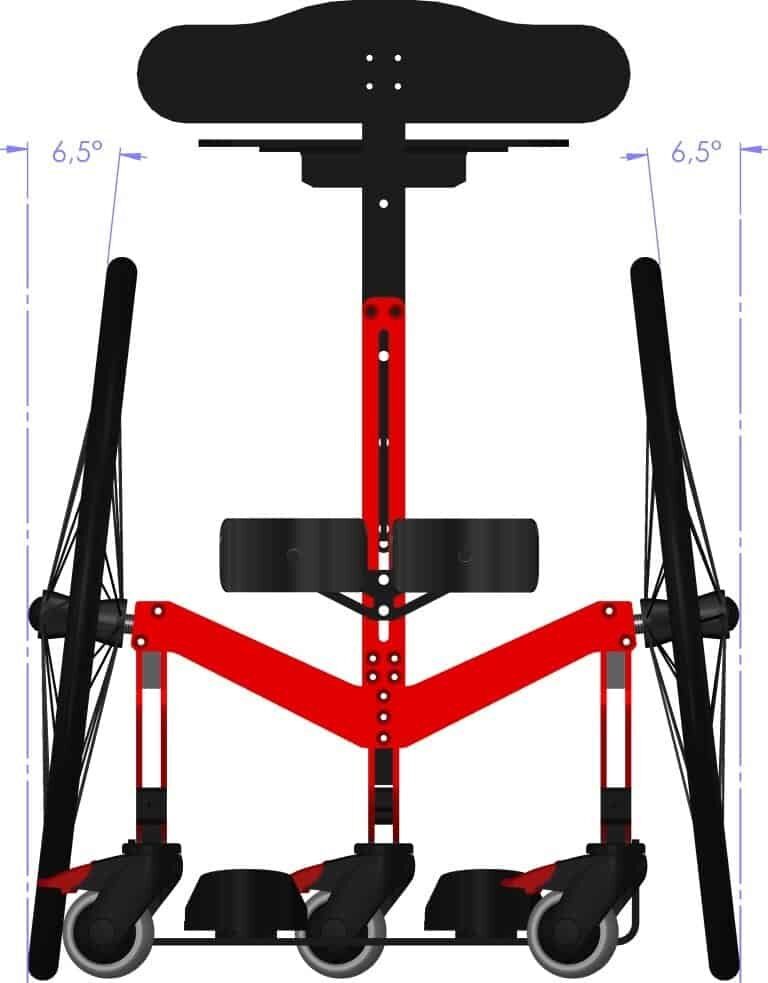
How to use
We support you at every step so that Standing frames can be integrated safely into the routine.
We look at head and trunk control, hips, feet and tolerance to use.
We configure support, angles and accessories for the target posture.
We introduce the equipment into the routine with a measurable progression.
We readjust as the body changes and new goals appear.
Benefits
What changes day to day when the equipment fits.
Loading the skeleton brings real benefits when it is practised regularly and in the correct posture.
A well-adjusted standing frame ensures proper alignment of the hips and spine, distributes weight safely, and allows for a progressive increase in standing time.
Prolonged stretching of muscles and joints prevents joint retractions and promotes normalisation of tone.
Physical activity and standing have a favourable impact on the respiratory and circulatory systems.
The intestinal pattern improves with active standing.
Bone mineral density is developed thanks to good nutrition, exercise and muscle activity.
Active standing is a low-intensity physical activity.
It reduces the risk of pressure ulcers by reducing pressure in some areas and increasing blood flow.
Mental activity is stimulated in an active standing position.
It allows social interaction, participation and communication with others at the same level.
Next step
We help you confirm goals, day-to-day use and conditions before you decide.
Who for
Consistency is key: the goal is to integrate verticalization into the daily routine, not limit it to therapy sessions. The device, posture, and duration of use should be tailored to the diagnosis, age, muscle tone, environment, and therapeutic goals.
Standing equal to others has a direct impact on social participation, self-esteem, and cognitive and emotional development. There is no universal solution; there is a solution that fits each case.
How do you get it
We clarify whether purchase, rental, a trial or a rent-to-buy option is appropriate for the equipment and the individual case.
First we understand the case; then we make a proposal, with no overselling.
We give you clear purchase or rental conditions depending on the solution.
We review trial, rental and rent-to-buy options before you make a final decision.
RecommendedDecision
We explain what Standing frames offers, what should be reviewed first and what the next step would be if moving forward makes sense.
Technical sheet
Proven technology, explained with professional judgement and genuine support before and after you decide.
Since 2006
supporting families
Families and professionals
working together
Clear conditions
before deciding
Before and after
follow-up, not just a sale
Leading manufacturers
Common questions
Clear answers to help you understand the service before deciding on the next step.
Still have questions? Write to usStanding in abduction seeks to promote optimal alignment of the hips and help prevent dislocations, as long as the posture, degree of opening and time of use are individualized.
The bipedal position pursues physical benefits such as promoting breathing and digestion, improving blood circulation and bladder function through postural drainage, increasing bone mineral density, promoting head and trunk control and preventing joint retractions. On a social and cognitive level, being on a level with others facilitates communication, stimulates attention and opens a new field of vision.
There is no single age, but there is a clear principle: the earlier, the better. In children with motor disabilities, it is recommended to start standing early, around 10 to 18 months, because it has an impact on the prevention of deformities, bone mineralization and motor, cognitive and social development. In adults, it can be started or resumed at any time during the rehabilitation process if there are no medical contraindications.
There is no single figure. Most protocols aim for a minimum of 45-60 minutes daily to obtain relevant physiological benefits. The most important thing is consistency and increasing the time of use progressively, according to tolerance, diagnosis and clinical objectives.
Yes. Walking with assistance may require so much effort that the child does not accumulate enough time standing during the day. The standing frame allows you to complete this loading time with optimal alignment of the hips and spine, without competing with assisted walking: they complement each other within a well-planned therapeutic programme.
There is no one better than the other; there is one more suitable for each case. The choice depends on muscle tone, diagnosis, existing deformities, and therapeutic goals. In some cases you can alternate between both positions throughout the day.
The difference is whether the device generates movement or simply maintains position. If the goal is primarily postural and preventive, a static stander may be sufficient. If neurological stimulation, muscle activation and gait work are also sought, active-assisted provides greater therapeutic value.
Prefer to email us directly? info@pitxuflitos.com
Keep exploring
Once you know what you need, compare the other options in positioning.